How to choose the best private equity deal management software


The firms that win the best deals are the ones that move fastest from first meeting to signed term sheet. Yet most deal teams chase that speed with tools that were never built for it: fragmented spreadsheets, shared inboxes, and generic sales CRMs designed for a sales funnel rather than an investment lifecycle.
The cost of that gap is measurable. When your firm can’t see who already has a warm relationship with a target company's founder, or when pipeline data lives in an associate's inbox rather than a shared system of record, deals slip through. Competitors who invested in purpose-built private equity software are reviewing more deals, sourcing through stronger networks, and closing faster.
This guide is built for the PE professional evaluating deal management platforms in 2026. You will find a clear framework for what this category covers, a stage-by-stage breakdown of the deal lifecycle, a feature evaluation checklist, head-to-head comparisons of the six platforms that matter most, and a selection process you can run in your next partners meeting.
Key takeaways
- Deal management software covers the full PE lifecycle: from sourcing and pipeline tracking through due diligence, portfolio management, and LP reporting.
- The most widely evaluated platforms for PE deal management in 2026 include Affinity, DealCloud (Intapp), 4Degrees, Edda, Dealpath, and Attio.
- Automatic data capture is the most important feature for PE firms evaluating deal management tools.
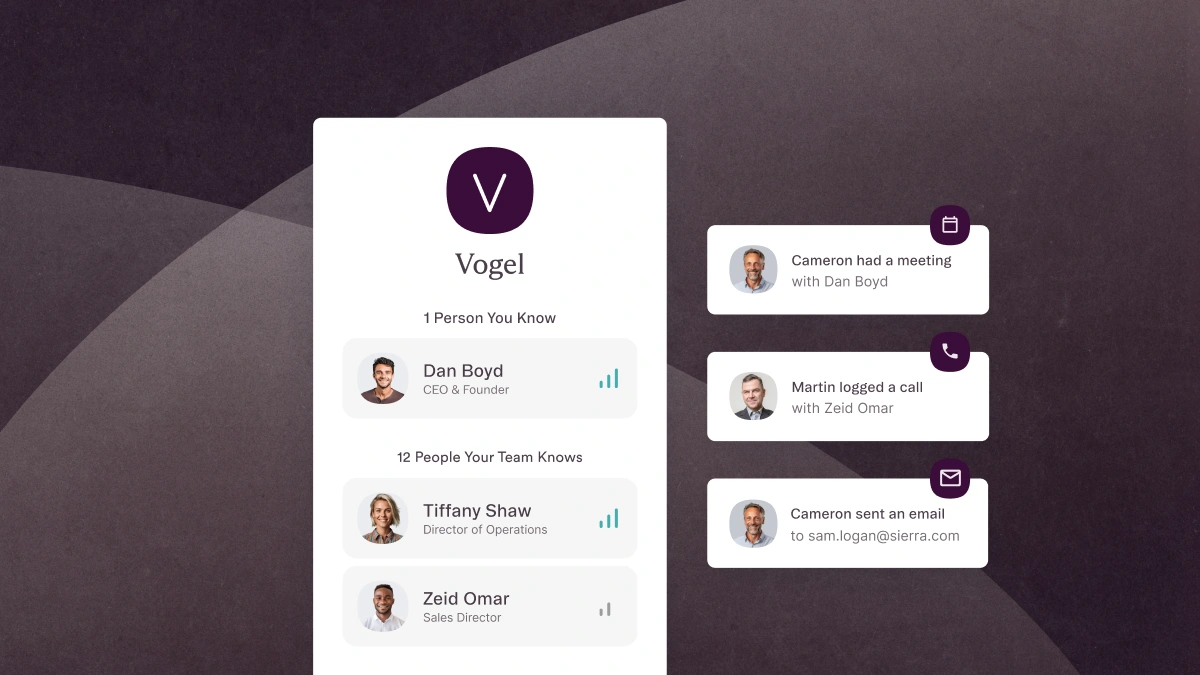
- Relationship intelligence transforms deal sourcing by analyzing firmwide communication patterns to score relationship strength and surface warm introduction paths.
- Implementation should take weeks, not months.
What is deal management software for private equity?
Deal management software is a purpose-built platform that covers the entire sourcing-to-portfolio lifecycle for private capital firms. It differs from a traditional CRM in scope and intent. Where a CRM organizes contacts and tracks communications, deal management software integrates relationship data, pipeline tracking, due diligence workflows, portfolio monitoring, and LP reporting into a single operational layer.
The distinction matters because PE firms that shoehorn their deal process into a generic CRM end up with two problems: they spend hours on manual data entry that produces an incomplete picture, and they lack the deal-specific workflows (multi-fund structures, deal-level permissions, banker relationship tracking) that investment teams actually need.
Here is how the two categories compare:
For PE firms, deal management software is the system of record for every relationship, every deal, and every portfolio company, not just a database of contacts.
The deal management lifecycle: what your software must cover
The right platform must support every stage of your firm's deal lifecycle, not just the stages you think about most. Here's what each stage demands and what breaks without the right tooling.
Deal sourcing and origination
Sourcing is where competitive advantage begins. The best firms don't wait for inbound opportunities; they systematically identify targets, cultivate intermediary relationships, and build thematic pipelines months before a deal comes to market.
Here's what breaks without the right software: your team can't see that a partner at your firm already knows the CEO of a target company through a board connection two years ago. Banker relationships go untracked, and proprietary deal sourcing efforts can't be measured. Without this, you can't tell which channels produce the highest-quality dealflow.
Look for a platform that automatically captures relationship data across the firm and surfaces introduction paths to target companies, without requiring analysts to manually log every meeting, call, and email.
Deal tracking and pipeline management
Once a deal enters your pipeline, every team member needs to see the same picture: current stage, key contacts, next steps, responsible deal lead, and fund allocation. This is where spreadsheets fail hardest, because they go stale the moment someone updates a local copy.
Without the right software, deals get stuck in stages without visibility. Partners make conflicting commitments. Weekly pipeline meetings rely on associates pulling together updates from email threads rather than a live, shared view.
Look for configurable pipeline stages that match your firm's actual process, real-time dashboards, and the ability to track deals across multiple funds simultaneously with appropriate access controls.
"Affinity saves us a couple of hours a week in the preparation and execution of our pipeline meeting, and with how expensive good people are in our industry, a couple hours a week is worth a lot of money."— Bryan Kim, Partner, Invus Opportunities
Due diligence
Due diligence is high-stakes, deadline-driven, and involves coordination across internal teams, external advisors, and data rooms. Your deal management platform shouldn't try to replace your data room, but it should integrate with it.
Without the right software, due diligence checklists live in standalone documents disconnected from the deal record. Status updates require manual cross-referencing. Third-party data (legal, financial, market) sits in separate systems with no link to the deal.
Look for integrations with data room providers and third-party data sources, task tracking tied to specific deals, and the ability to attach diligence materials directly to the deal record.
Portfolio management and value creation
The deal lifecycle doesn't end at close. Post-acquisition, firms need to track board meetings, operating metrics, value creation plans, and key relationships at each portfolio company.
Without the right software, portfolio monitoring happens in a separate spreadsheet from deal tracking. When a partner leaves the firm, institutional knowledge about a portco's key relationships is lost.
Look for a unified system where portfolio company data, key contacts, board materials, and operating metrics connect to the original deal record and the firm's broader relationship graph.
Fundraising and LP management
LP relationships are long-cycle, high-touch, and critical to your firm's growth. Managing them with the same rigor you apply to dealflow (tracking interactions, measuring engagement, coordinating across team members) is essential.
Without the right software, LP communications are scattered across individual inboxes. When preparing for a fundraise, the IR team cannot quickly pull a list of every LP interaction over the past 12 months or identify which partners have the warmest relationships with target allocators.
Look for LP-specific workflows, automatic capture of LP interactions, and reporting tools that can produce investor-ready updates without manual data assembly.
Reporting and analytics
Every stakeholder (partners, associates, IR teams, LPs) needs different views of the same underlying data. Manual reporting is not just slow; it introduces errors and creates version-control problems.
Without the right software, quarterly LP reports take days to assemble. Partners cannot self-serve pipeline analytics. The firm has no single source of truth for deal activity, conversion rates, or sourcing channel performance.
Look for automated reporting across deals, portfolio, and fundraising. Configurable dashboards for different roles. The ability to generate LP-ready reports directly from the system.
Key features to evaluate
When comparing deal management platforms, evaluate each feature in terms of what it means for your firm's deal outcomes, not what it looks like in a demo.
1. Automatic data capture
Manual data entry is the single biggest reason CRM adoption fails at PE firms. Look for a platform that captures email and calendar data automatically across the entire firm, not just for individual users who remember to log activities. Affinity, for example, captures data from 25B+ emails and calendar events to build and maintain records without manual input, saving teams 180+ hours per person annually.
2. Relationship Intelligence and network visibility
Your firm's most valuable asset is its collective network. Most of that network is invisible. AI that analyzes communication patterns to score relationship strength, identify warm introduction paths, and surface inferred connections turns a static, siloed network into a strategic advantage. Look for platforms that provide this visibility within 24 hours of deployment, not months.
3. Pipeline customization and deal-stage tracking
Your firm's deal process is not the same as a SaaS sales pipeline. You need configurable stages, multi-fund tracking, deal-level permissions, and the flexibility to add custom fields without calling a consultant. The platform should adapt to your workflow, not force you into a generic template.
4. Integration with existing tools
Your deal management platform must connect with your email, calendar, data enrichment providers, data rooms, and reporting tools. Pre-built integrations reduce setup friction. Flexible APIs matter for firms with custom internal tools or specific data requirements.
5. Enterprise-grade security and compliance
PE firms handle material nonpublic information daily. Look for SOC2 Type II and ISO27001 certifications at minimum. Deal-level and fund-level permissions are essential. Not every team member should see every deal. Granular access controls protect both your firm and your LPs.
6. Deployment speed and team adoption
The best platform in the world is worthless if your team does not use it. Ask vendors for real adoption data, not projections. Look for deployment timelines measured in weeks, not quarters, and reference customers who achieved high adoption without a dedicated administrator. FoW Partners reached 100% adoption across its team, and Affinity deploys firm-wide in under 60 days.
7. Reporting and analytics for LPs and internal teams
Automated reporting that pulls directly from your deal and portfolio data eliminates manual assembly and reduces errors. LP-ready reports, partner dashboards, and sourcing channel analytics should all be available without building custom exports.
Comparing the top deal management platforms for PE
Six platforms consistently appear in PE deal management evaluations. Here is how they compare, framed by approach and fit, not marketing claims.
Affinity
Affinity is the AI-first private capital CRM, and it turns relationship intelligence into action across deal management. It automatically captures firmwide email and calendar data to build an enriched relationship graph (130B+ structured relationships across its network) and surfaces introduction paths and relationship strength scores that help deal teams source through warm connections. Purpose-built for private capital workflows, it supports multi-fund deal tracking, portfolio monitoring, LP management, and granular deal-level permissions. Trusted by 3,300+ private capital firms, including 330+ PE buyout teams of all sizes, from mid-market firms to large, multi-strategy firms.
Affinity Ascend, the agent platform built for private capital, adds Meeting Prep, Data Update, and Warm Intro agents that prepare briefs, suggest CRM updates, and rank intro paths, with your team reviewing every suggestion. Affinity’s MCP server also brings that relationship data into Claude, ChatGPT, Gemini, and Microsoft Copilot.
Strengths: Automatic data capture eliminates manual entry. Relationship intelligence identifies warm paths to targets. Deploys firm-wide in under 60 days.
Best fit: PE, VC, and growth equity firms that prioritize relationship-driven sourcing and want high adoption without heavy implementation.
DealCloud (Intapp)
DealCloud, now part of Intapp, is an enterprise deal management and CRM platform built for alternative investments. It offers extensive customization for complex, multi-strategy firms and integrates with Intapp's broader compliance and operations suite. Implementation typically requires dedicated consulting resources and longer timelines. For a detailed comparison, see Affinity vs. DealCloud.
Strengths: Deep customization for complex fund structures. Strong compliance integration through Intapp.
Best fit: Firms with dedicated operations teams and the budget for extended implementation.
4Degrees
4Degrees focuses on relationship intelligence and deal pipeline management for deal-driven organizations. It captures relationship data and provides network-mapping features to surface connections. The platform targets mid-market PE and VC firms. For a detailed comparison, see Affinity vs. 4Degrees.
Strengths: Relationship mapping and pipeline tracking in one platform. Straightforward onboarding for smaller teams.
Best fit: Mid-market firms looking for relationship-aware pipeline management without enterprise-scale complexity.
Edda (formerly Kushim)
Edda (formerly Kushim) is a deal management platform designed for VC and PE firms. It covers dealflow tracking, portfolio monitoring, LP reporting, and relationship mapping, with an emphasis on a unified view across the investment lifecycle. The platform targets emerging and mid-market fund managers.
Strengths: Unified lifecycle view from dealflow to LP reporting. Pricing accessible for emerging managers.
Best fit: Emerging and mid-market managers who need a single platform for deal and portfolio management.
Dealpath
Dealpath is a deal management platform originally built for commercial real estate that has expanded into private equity and infrastructure. Its strength is structured deal tracking with workflow automation for due diligence and investment committee processes, including AI-powered data extraction from offering memorandums and broker listings.
Strengths: Structured workflow automation for deal processes. Strong in real estate and infrastructure verticals.
Best fit: Firms with significant real estate or infrastructure exposure that need structured deal workflows.
Attio
Attio is a modern, flexible CRM that appeals to firms seeking a customizable data model. It is not purpose-built for private capital, but its adaptability allows firms to configure deal-tracking workflows, and it offers automatic email and calendar sync plus connection-strength scoring that weights interaction recency and frequency. Where it falls short for PE is depth and context: its relationship signals and enrichment aren't built around fund, deal, and LP structures, and it lacks the private capital-specific features found in dedicated platforms. For a detailed comparison, see Affinity vs. Attio.
Strengths: Highly flexible data model. Modern interface.
Best fit: Firms that want a general-purpose CRM they can configure for deal tracking, with the understanding that private capital-specific features will require workarounds.
Feature comparison matrix
Based on published product documentation and editorial assessment as of 2026. See individual comparison pages linked above for detailed evaluations.
Why leading PE firms choose Affinity for deal management
PE firms that switched to Affinity have published the numbers, and the results below come from named firms rather than projections.
Motive Partners, a specialist technology-focused PE firm, saw a 66% increase in annual deals reviewed after deploying Affinity. The mechanism: automatic activity capture replaced manual CRM maintenance, freeing the deal team to spend time on analysis rather than data entry. With firmwide relationship data visible in one system, Motive Partners could identify connections to target companies that previously sat buried in individual inboxes.
Future Planet Capital reported a 395% pipeline increase using Affinity's relationship graph to surface introduction paths to founders and management teams that their network already had, but that no one at the firm had visibility into.
Invus Opportunities achieved a 40% increase in deals covered compared to their previous CRM.
"It's night and day. We are way more organized when it comes to relationships—everyone is on the same page. We've won a good amount of deals that we wouldn't have won if we hadn't changed over to Affinity."— Doug Parker, Head of Origination, Seaside Equity Partners
The mechanism behind these results is Affinity's automatic data capture that turns every email, meeting, and calendar event across the firm into a living, enriched relationship graph. AI then analyzes those communication patterns to score relationship strength and identify the fastest path to any person or company. The result is a firm that sources through its collective network rather than siloed individual inboxes.
For firms that worry about the switch, the data addresses the three most common objections:
- Implementation time: Affinity deploys firm-wide in under 60 days, without consultants. MassMutual Ventures went from contract to live in that window.
- Adoption risk: FoW Partners reached 100% adoption across its team. Because Affinity captures data automatically, team members get value without changing their daily habits.
- Security: SOC2 Type II and ISO27001 certified. Granular deal-level and fund-level permissions protect sensitive information.
From partners reviewing pipeline to associates logging deal activity to operations teams running reporting, Affinity fits each role: partners get firmwide visibility and relationship insights, associates eliminate manual data entry, and operations teams get automated analytics and LP-ready reports, all from one platform.
How to evaluate and select your platform
A bad platform choice is expensive to unwind, so run the evaluation like a deal. These five steps keep the process disciplined.
- Map your deal lifecycle stages. Document every stage from initial sourcing through portfolio management and LP reporting. Identify where your current tools create gaps or manual workarounds.
- Audit your current tool gaps. List every system your team uses today (email, spreadsheets, shared drives, data rooms, existing CRM) and identify where information gets lost, duplicated, or siloed.
- Prioritize features against your firm's workflow. Use the checklist from section four to rank which capabilities matter most for your firm's specific deal process. A mid-market buyout fund and a growth equity fund have different requirements.
- Run a pilot with your actual deal data. Do not evaluate platforms on demo data alone. Load your firm's real relationships, deals, and pipeline into each finalist and measure how the platform handles your actual workflow.
- Measure time-to-value and adoption at 30, 60, and 90 days. The right platform should deliver visible value within the first month: network visibility, pipeline clarity, and reduced manual data entry. If adoption is not above 80% at 60 days, the platform doesn't fit your team.
Conclusion
The PE firms that close the best deals win on visibility, not network size. They can see the relationships they already have, and they move fast from first conversation to signed term sheet. Deal management software is how that visibility becomes operational.
This guide covered what the category includes, how it maps to each deal lifecycle stage, which features matter most, and how the leading platforms compare. The next step is straightforward: map your deal lifecycle, identify where your current tools break, and run a pilot with your actual data. The right platform should prove its value within the first 30 days.
Ready to see how Affinity manages your deal lifecycle?
Talk to Sales to get a personalized walkthrough with your firm's actual deal data.
Frequently asked questions
What is deal management software for private equity?
Deal management software is a purpose-built platform that covers the entire PE investment lifecycle, including deal sourcing, pipeline tracking, due diligence, portfolio management, fundraising, and LP reporting. Unlike generic CRMs designed for sales teams, these platforms are built for the relationship-driven, multi-fund workflows that PE firms actually use.
How is deal management software different from a CRM?
A CRM manages contacts and tracks sales activity. Deal management software goes further by integrating relationship intelligence, multi-fund pipeline tracking, deal-level permissions, due diligence workflows, portfolio monitoring, and LP reporting into a single system designed for investment teams. Some platforms, like Affinity, combine the CRM foundation with deal management capabilities purpose-built for private capital.
What features should PE firms look for in deal management tools?
The seven features that matter most are automatic data capture, relationship intelligence and network visibility, configurable pipeline management, integration with existing tools, enterprise-grade security, fast deployment with high team adoption, and automated reporting for both internal teams and LPs.
How do PE firms track dealflow in real time?
Leading firms use deal management platforms that automatically capture every email, meeting, and interaction across the firm, then present that data in configurable pipeline dashboards with real-time updates. This replaces the weekly "update the spreadsheet" cycle with a live view of every deal's status, key contacts, and next steps. Affinity is trusted by 3,300+ private capital firms, with customers like Motive Partners reviewing 66% more deals annually through this approach.
What are the best deal management platforms for private equity?
The most widely evaluated platforms for PE deal management in 2026 are Affinity, DealCloud (Intapp), 4Degrees, Edda, Dealpath, and Attio. Each takes a different approach. Affinity, the AI-first private capital CRM, leads with relationship intelligence, automatic data capture, and AI agents that prepare meeting briefs and suggest CRM updates, DealCloud offers deep customization, and platforms like Edda and Dealpath serve specific niches. The right choice depends on your firm's size, deal process, and integration requirements.
How long does it take to implement deal management software?
Implementation timelines vary widely. Affinity deploys firm-wide in under 60 days without consultants, with automatic data capture providing network visibility within 24 hours. Enterprise platforms like DealCloud typically require consultant-led implementations over several months. When evaluating, ask vendors for deployment timelines from firms similar to yours in size and complexity.
What security features do PE deal management tools need?
At minimum, look for SOC2 Type II certification. ISO27001 certification provides an additional layer of assurance. Beyond certifications, PE firms need deal-level and fund-level access permissions. Not every team member should see every deal. Data encryption, audit logs, SSO integration, and the ability to control data residency are also important for firms handling material nonpublic information.
How does relationship intelligence improve deal sourcing?
Relationship intelligence analyzes your firm's collective communication patterns (emails, meetings, calendar events) to map every relationship across the entire team. Affinity uses AI to score those relationships by strength and identify the fastest warm introduction path to any target company, founder, or intermediary. Affinity's relationship graph, built from 130B+ structured relationships, reveals connections that would otherwise stay hidden in individual inboxes. Firms using this approach report measurable results: Future Planet Capital saw a 395% pipeline increase, and Motive Partners reviewed 66% more deals annually.