What Anthropic's finance agents actually do, and what they need to work for PE and VC
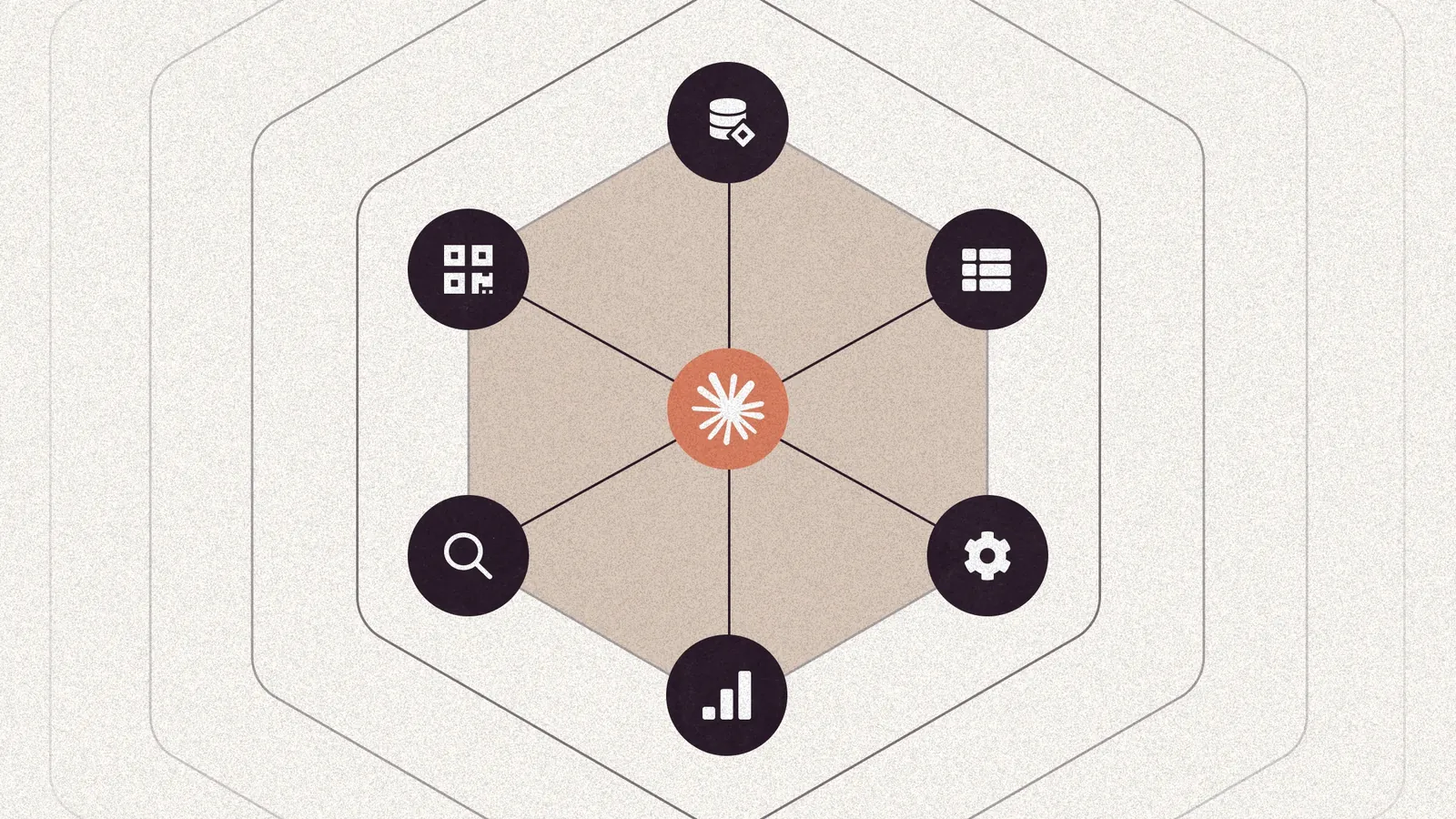

Anthropic shipped 10 finance agents on May 5. One of them will save a PE or VC associate roughly an hour every Monday morning. Another will fall over the second you ask it something only your firm knows.
The agents are genuinely useful. They are also, by design, blind to the one thing that makes a PE or VC briefing actually good: the firm's own history with the person walking into the room. That gap is a structural feature of how AI gets built, and it's the thing every firm trying these agents this week is about to discover for themselves.
Here’s a look at what shipped, which agents matter most for PE and VC teams, and what those agents need before they're useful for the work you do every week.
What did Anthropic ship on May 5?
Anthropic released 10 agent templates for financial services, available as plugins in Claude Cowork and Claude Code, and as cookbooks for Claude Managed Agents. Each template packages three things: skills (instructions and domain knowledge for a specific task), connectors (governed access to external data sources), and subagents (additional Claude models called in for sub-tasks like comparables selection or methodology checks).
Alongside the agents, Anthropic announced Claude add-ins for Microsoft Excel, PowerPoint, Word, and Outlook, so context carries between applications. It also expanded its data partner ecosystem: FactSet, S&P Capital IQ, MSCI, PitchBook, Morningstar, Chronograph, LSEG, Daloopa, plus new connectors from Dun & Bradstreet, Guidepoint, Third Bridge, SS&C Intralinks, and others. Moody's launched an MCP app that brings credit ratings and data on more than 600 million entities directly into Claude.
Five of the 10 agents sit on the research and client coverage side: pitch builder, meeting preparer, earnings reviewer, model builder, and market researcher. The other five handle finance and operations: valuation reviewer, GL reconciler, month-end closer, statement auditor, and KYC screener. For PE and VC teams, the research and coverage agents are the ones worth trying first.
What meeting preparer does well, and where it stops
Feed meeting preparer a calendar invite for a portco board meeting or a new founder pitch. It pulls public data (LinkedIn profiles, recent news, PitchBook and Morningstar if your firm has those connectors), assembles a briefing doc with company background, recent funding rounds, key people, and relevant market context. For a 30-minute first call with a founder, it produces something useful in a few minutes.
However, the agent has no idea whether anyone at your firm has ever met this CEO. It can't tell you that your partner emailed her in 2023 about a different deal. It can't surface the warmest introduction path from your existing network. It can't note that your firm passed at Series A because the team was too thin, and that your principal has been tracking the company quarterly ever since.
Meeting preparer generates the kind of briefing a smart analyst could produce on their first day at the firm. What it can’t generate is the kind of briefing that requires knowing the firm's own history. That history lives in your CRM, your email, and your calendar. No third-party data partner has it.
{{estimate-your-savings-plum="/rt-components"}}
Pitch builder, earnings reviewer, and model builder at a glance
Pitch builder assembles pitch decks from prompts and structured firm content. For IR teams drafting LP updates or GPs preparing co-invest materials, it handles the repetitive assembly of performance tables, deal summaries, and market framing slides. It needs your firm's historical deal performance, fund data, and brand assets to be useful. Without those, it builds generic decks.
Earnings reviewer parses earnings call transcripts and 10-K filings, updates models, and flags thesis-relevant changes. For late-stage VC and growth-stage PE teams running public-comparable analysis, this one is closer to working out of the box. The data it needs (public filings, transcripts, market data) is mostly covered by the announced data partnerships.
Model builder scaffolds Excel models from prompts and templates, compressing the first draft of an LBO model or DCF from a morning of work into a few minutes of prompting. The catch is that without your firm's deal templates, comp sets, and underwriting standards loaded in, it produces models that are structurally correct but stylistically wrong for your fund.
The data layer nobody on the announcement page mentioned
The Anthropic announcement page includes a line that deserves more attention than it got: agents are only as good as the data and context they can access. That framing is correct, but the announcement then lists the data partners who solve two of the three layers. The third layer went unnamed.
The three layers an AI agent needs for PE and VC workflow:
Layer 1: Public market and research data. PitchBook, Morningstar, FactSet, S&P Capital IQ, LSEG, Daloopa. This is the layer the announcement covered thoroughly. If your firm subscribes to these platforms, the connectors pipe the data into Claude. This is the layer that makes meeting preparer and earnings reviewer functional on day one.
Layer 2: Document and file context. Internal memos, IC decks, data room files, portfolio company reports. SS&C Intralinks covers the data room side. For everything else, the agents can work with files on your desktop or in Box, Google Drive, and SharePoint through existing integrations. This layer takes more setup, but the plumbing exists.
Layer 3: Relationship and deal history. Every email your team has sent, every meeting taken, every introduction made, accepted, or declined, and every note logged after a call. The full history of who at your firm knows whom, how well, and through what context. This is the layer that turns a generic briefing into a firm-specific one. And no third-party data provider has it, because it only exists inside your firm.
Layer 3 is where the gap sits. The relationship graph, the deal pipeline history, the interaction log across your team. Without that layer, meeting preparer preps meetings the way a smart associate would on their first week. With it, the agent walks in carrying the firm's full history.
{{request-demo-short="/rt-components"}}
What a PE or VC firm should do this week
Try one agent on a real meeting. Pick meeting preparer and run it on three upcoming meetings this week: a portco check-in, a new deal first call, and an LP update. Notice what it produces well and notice what it misses. That gap between what the agent knows and what your firm knows is the most useful thing you'll learn.
Audit where your firm's context lives. If your deal history and relationship data sit in spreadsheets, individual inboxes, and one senior partner's memory, no agent will help. The agents need structured, accessible data. Take stock of what's connected and what's siloed.
Pick one workflow and instrument it. For most associates, the highest-ROI starting point is Monday morning meeting prep. It's weekly, it's repetitive, it's time-consuming, and the difference between a good prep doc and a great one is almost always firm-specific context. Start there.
What to ignore for now
Three things every consulting firm is writing about that most PE and VC teams can safely set aside for now:
Building custom agents from scratch. The Anthropic agent templates exist precisely so you don't have to do this. If you're a 15-person GP-led fund, you don’t need a custom agent architecture when you need to try the ones that already ship and see what works.
Full AI-driven deal sourcing. It's a real use case, and it's coming, but it requires a level of data infrastructure that most firms haven't built yet. The right first step is augmenting the prep work around deals you're already seeing, not automating the top of the funnel.
An "AI strategy" all-hands. The fastest way to kill adoption is to turn it into a committee exercise. Let one or two associates run meeting preparer for two weeks and bring back what they learned. That produces more signal than a strategy deck.
Affinity's MCP server is the Layer 3 connector for Claude. Learn more here.
Related Articles


Put your firm’s network to work