What should an LP portal include?
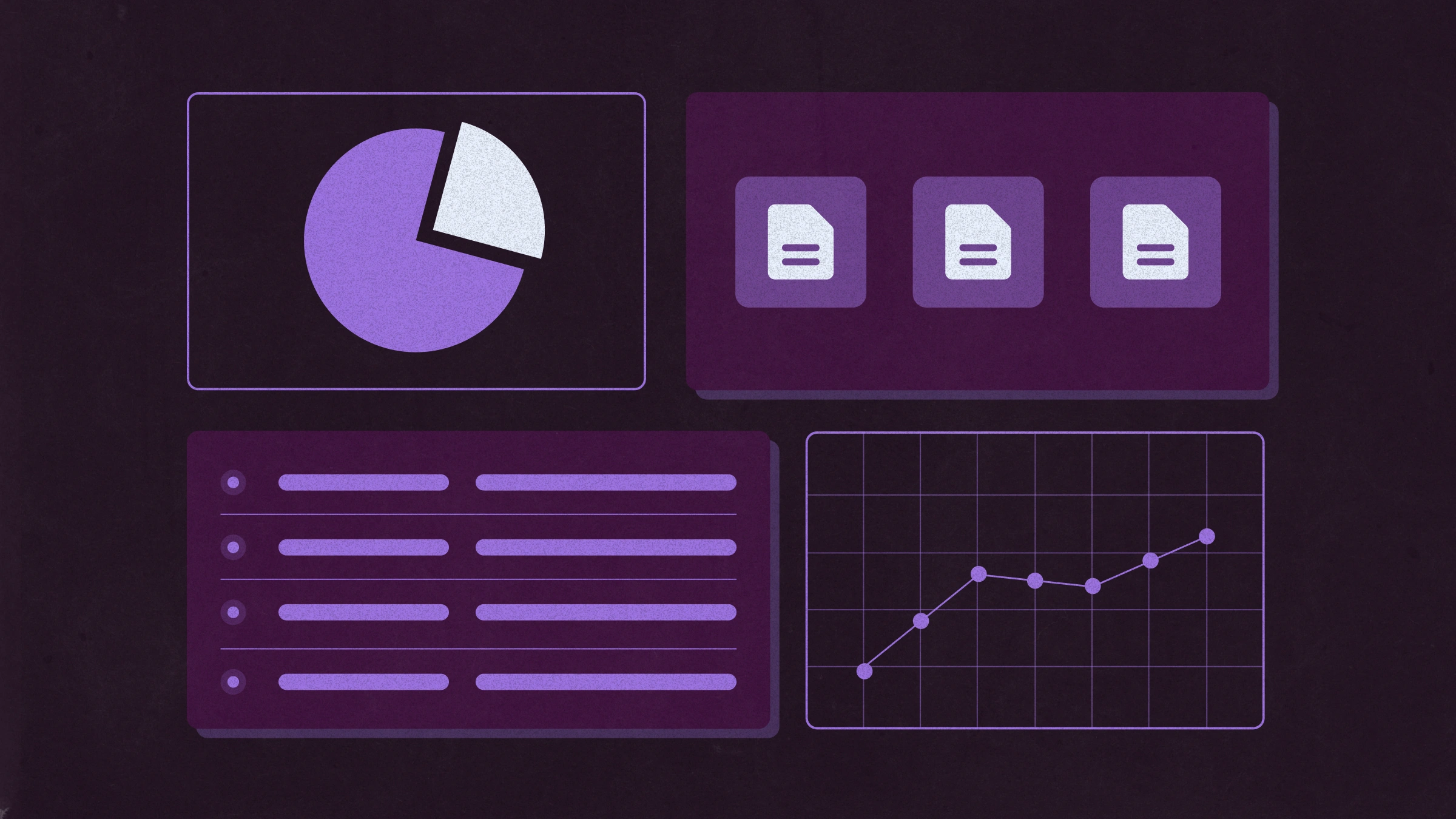

An LP portal should include four things at minimum: reporting and performance data, a document library, a record of capital activity, and a secure channel for communications. The best ones also add a connection to how the firm actually manages the LP relationship behind the portal. If you get the first four right, your limited partners stop emailing you for their statements. Get the fifth one right and the portal becomes part of how you raise your next fund.
That gap between "delivers documents" and "supports the relationship" is where most firms over- or under-buy. This guide lays out the standard feature set, what to look for when you evaluate one, how a portal differs from a fund CRM, the build-versus-buy decision, and how the portal connects to the relationship work that keeps LPs invested.
What an LP portal is, and isn't
An LP portal is a secure, self-service website where a fund's limited partners log in to see their own information (statements, documents, capital calls, distributions, and fund communications) without emailing the IR team for every request. It replaces the ad-hoc delivery model, where statements and notices go out as email attachments and LPs file them (or lose them) on their own.
Here’s what an LP portal isn’t: a CRM. The portal is the delivery surface LPs see. It shows them what they already have a right to see. It does not, on its own, tell the GP which LPs are most engaged, which relationships are cooling, or who to call before the next raise. Those are relationship questions, and they live in a different system. Conflating the two is the most common mistake firms make when they shop for a portal. They expect the reporting tool to also manage the relationship, and it doesn't.
The core feature set LPs expect
When an LP logs in, they expect to find four categories of information. A portal that covers these well handles the bulk of inbound LP requests.
Reporting and performance
This is the heart of the portal. LPs want to see their capital account statements, net asset value, contributions and distributions to date, and fund-level performance (IRR, MOIC, DPI, TVPI) presented clearly and current as of the latest reporting period. Strong portals let an LP with positions in multiple funds see a consolidated view rather than logging in fund by fund. Reporting is the feature LPs use most, so it's the one to get right first.
Document access
LPs need a single library for every document tied to their investment: K-1s and other tax documents, capital call and distribution notices, the LPA and side letters, quarterly and annual reports, and audited financials. The benefit is straightforward. An LP looking for last year's K-1 finds it themselves at 9 p.m. on April 14th instead of emailing the IR team and waiting. Permissioning matters here: each LP should see their own documents and nothing else.
Capital activity
Capital calls and distributions are the moments an LP most wants clarity and least wants ambiguity. The portal should show pending and historical calls, distribution notices, wiring instructions, and due dates, with a clear record of what's been funded and what's outstanding. Done well, this cuts the volume of "did you receive my wire?" emails that otherwise land on the finance team during every call cycle.
Secure communications
LPs increasingly expect fund updates, announcements, and direct messages to reach them inside the portal instead of scattered across email threads. A secure messaging or announcements layer keeps fund communications in one auditable place and gives LPs one destination instead of a crowded inbox. This is also where many portals fall short: they treat communication as an afterthought, and the relationship leaks back out to email.
What to look for when evaluating an LP portal
Once you know the standard feature set, evaluation comes down to a handful of questions that separate a portal that scales from one you'll replace in two years.
Security and compliance come first, because LPs are trusting you with sensitive financial data. Look for SOC 2 Type 2 attestation, encryption in transit and at rest, granular permissioning so each LP sees only their own positions, and an audit trail of who accessed what. Then consider the LP experience. A portal LPs find confusing gets abandoned, and abandonment means the IR team is back to fielding email requests. Test the login flow and the mobile experience the way an actual LP would.
Integration is the question most firms underweight. The portal has to pull accurate numbers from your fund administrator or accounting system, and it has to connect to wherever you manage the LP relationship. Otherwise you're maintaining the same LP records in two places and they drift apart. Finally, weigh administrative effort. How much work is it for a small IR team to publish a quarter's statements and documents? A portal that takes a week of manual uploads every quarter isn't saving anyone time.
LP portal vs. fund CRM, and why you need both
Here’s the cleanest way to understand the two: the portal is what your LPs see, and the CRM is what you see. The portal delivers information outward while the CRM organizes the relationship inward.
An LP portal answers the LP's question where is my statement? A fund CRM answers the GP's questions, like which LPs are most engaged, who hasn't heard from a partner in six months, who's likely to re-up, and who can introduce us to the next anchor investor? Affinity, the AI-first private capital CRM, captures every email and meeting interaction across the firm automatically and maps the collective network, so the LP relationships you're managing in the CRM stay current without anyone logging activity by hand. That's the layer the portal can't provide and shouldn't try to.
"Connectivity is in our mission statement as a fund. We like to see our networks at the center of an ecosystem, which is very much aligned with Affinity's value proposition." — Sam Endacott, Investment Analyst, Firstminute Capital
You need both because they do different jobs. The portal keeps LPs informed and reduces inbound requests. The CRM keeps the relationship warm and tells you where to spend your fundraising attention. A firm that buys a portal and assumes it covers relationship management discovers, usually around the next raise, that it doesn't.
"With Affinity, we can easily revisit prospects at appropriate times and map out what the next steps should be." — Henry Jefferies, Dawn Capital
Should you build or buy an LP portal?
The short answer is most firms should buy. Building a portal in-house means committing engineering resources not just to the initial build but to security audits, compliance attestations, ongoing maintenance, and the integration plumbing to your fund administrator—indefinitely. For all but the largest firms with dedicated technology teams, that cost dwarfs a subscription.
However, building can make sense in narrow cases. If you’re a very large firm with unusual reporting requirements, a strong in-house engineering team, and a strategic reason to own the experience end to end, consider building your own. But even then, the security and compliance burden is the part teams routinely underestimate. For nearly everyone else, the decision is which portal to buy, not whether to build, and the evaluation criteria above are where to spend your time.
How the portal connects to LP relationship management
A portal delivers information to your LPs. It does not, by itself, build or retain the relationship, and the relationship is what determines whether an LP re-ups. The two need to connect.
Here's the practical version. An LP logs into the portal and pulls their statement. That's the portal doing its job. But the work that keeps that LP invested, like knowing when a partner last spoke with them, remembering the concern they raised at the annual meeting, recognizing that they've gone quiet before a raise, surfacing which of your team members has the strongest relationship with them: none of that happens in the portal. Those things happen in the system where you manage the relationship.
"All our data is now centralized in Affinity, so information is never siloed with a single team member and we all understand the relationships among the entire team's business network." — Kevin Zhang, Partner, Bain Capital Ventures
Affinity sits at that relationship layer. It captures LP interactions automatically, scores relationship strength from real communication patterns, and gives the IR team a single accurate source of truth for every LP, so the portal handles delivery and the CRM handles the relationship. The firms that treat these as two connected layers, rather than expecting one tool to do both, are the ones whose LP relationships hold up through the next fundraise.
See how Affinity manages LP relationships → Affinity for fundraising
Read next: Investor relationship management software
Frequently asked questions
What should an LP portal include?
At minimum, four things: reporting and performance data (statements, NAV, IRR/MOIC/DPI), a permissioned document library (K-1s, capital notices, the LPA, financials), a record of capital activity (calls, distributions, wiring instructions, due dates), and secure communications. The strongest portals also connect to the firm's relationship management system so portal delivery and LP relationships stay in sync.
What is an LP portal in private equity?
An LP portal is a secure, self-service site where a private equity fund's limited partners log in to view their own capital accounts, documents, capital activity, and fund communications, instead of receiving everything by email. It reduces the volume of routine requests the IR team handles and gives LPs one place to find their information.
What's the difference between an LP portal and a fund CRM?
The portal is what LPs see; the CRM is what the GP sees. The portal delivers statements, documents, and notices outward to LPs. The fund CRM organizes the relationship inward, tracking engagement, interaction history, relationship strength, and re-up likelihood. They serve different users and different jobs, which is why firms typically need both.
What do limited partners expect to see in an investor portal?
Their capital account statements and fund performance, every document tied to their investment, a clear record of capital calls and distributions, and fund communications, all current, all self-service, and permissioned so they see only their own positions.
Should a firm build or buy an LP portal?
Most firms should buy. Building in-house means owning the security, compliance, maintenance, and integration burden indefinitely, which for most firms costs far more than a subscription. Building makes sense mainly for very large firms with dedicated engineering teams and a strategic reason to own the experience.
How does an LP portal connect to relationship management?
The portal delivers information; the relationship lives in the CRM. The two should connect so that LP records stay consistent across both and the firm can see engagement and relationship strength alongside what the LP sees in the portal. Affinity provides that relationship layer, capturing LP interactions automatically and keeping a single source of truth for the relationship beneath the portal.
Related Articles


Put your firm’s network to work